
By Jan Kral | Updated February 10, 2025
The Czech Republic sits at the crossroads of Central European woodworking traditions. With nearly 34 percent of the country covered by forests, wood has been the primary building material for centuries. Understanding these traditions does not just provide historical context; it offers practical techniques that can dramatically improve the quality and durability of your modern DIY projects.

A Brief History of Czech Woodworking
Woodworking in Bohemia and Moravia dates back to the earliest Slavic settlements. The dense forests of the Sumava, Krkonose, and Beskydy mountain ranges provided abundant raw material, and communities developed sophisticated techniques for everything from house construction to furniture making.
The golden age of Czech woodcraft came during the 17th and 18th centuries, when rural communities across the countryside developed distinctive regional styles. Wooden folk architecture from this era survives today in open-air museums like the Wallachian Open Air Museum in Roznov pod Radhostem and the Vysocina heritage villages.
Roubena: The Czech Log Construction Method
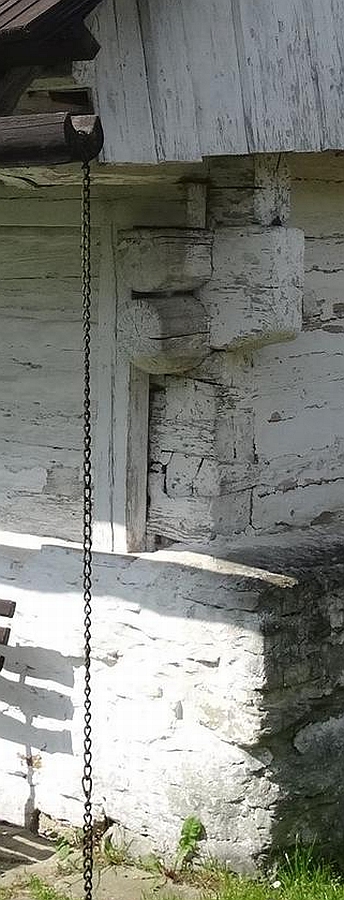
The most iconic Czech woodworking tradition is roubena (log construction), used extensively in the mountain regions of Bohemia and Moravia. Unlike Scandinavian round-log construction, Czech builders typically squared their logs, creating flat interior and exterior surfaces that were easier to plaster and insulate.
Key Techniques from Roubena Construction
- Corner notching: Czech builders used saddle notch and dovetail notch joints at corners, which lock logs together tightly and prevent lateral movement. You can adapt this technique for building log-style garden furniture and planters.
- Moss and clay sealing: Between each log course, builders packed dried moss or a clay-and-straw mixture to create airtight seals. This principle of filling gaps with natural materials remains relevant for outdoor projects where weatherproofing is important.
- Foundation stones: Traditional Czech log buildings always sat on large stones to keep wood away from ground moisture. This concept directly applies to modern garden structures and raised beds.
Applying Roubena Principles Today
You do not need to build an entire log cabin to benefit from roubena techniques. The corner notch joint is excellent for building sturdy raised garden beds, sandbox frames for children, and rustic outdoor furniture. Practice cutting notches on scrap pieces first, and invest in a sharp chisel set from Czech brand Narex for the cleanest results.
Czech Folk Furniture Traditions
Czech folk furniture is renowned for its practicality and understated beauty. Unlike the ornate baroque styles of neighboring Austria, Czech country furniture favored clean lines, honest construction, and decoration through wood selection rather than excessive carving.
Typical Czech Folk Furniture Pieces
- Truhla (chest): A multi-purpose storage chest that served as seating, storage, and sometimes even a bed. Built from wide pine boards with dovetail joints at the corners. A straightforward project for intermediate DIY woodworkers.
- Lavice (bench): A long dining bench with a backrest, typically placed against the wall. The simple design uses mortise-and-tenon joinery for the legs and a plank seat that can be replicated with basic hand tools.
- Police (shelf rack): A wall-mounted plate and cup rack found in every traditional Czech kitchen. These were both decorative and functional, displaying the family's best ceramics while keeping everyday dishes within reach.
Wood Species in Czech Tradition
Czech woodworkers historically chose species based on specific properties for different applications:
- Spruce: The primary structural timber for roubena construction and roof framing throughout the Czech lands.
- Oak: Reserved for elements requiring maximum durability, such as door frames, window sills, and ground-floor beams. Also the preferred wood for wine barrels in the Moravian wine region.
- Linden (Lipa): The most prized carving wood. Czech folk carvers created everything from religious figures to decorative panels using linden, which cuts cleanly in any direction. The linden tree is a national symbol of the Czech Republic.
- Pine: The standard wood for everyday furniture, shelving, and interior paneling. Pine was valued for its warmth, pleasant scent, and workability with hand tools.
Traditional Joinery Worth Learning
Czech traditional joinery focuses on creating strong, long-lasting connections without modern fasteners. These techniques are well worth learning for anyone serious about woodworking:
Mortise and Tenon
The backbone of Czech furniture construction. A rectangular peg (tenon) fits into a corresponding hole (mortise), creating a joint that resists pulling apart and racking. With a good chisel set and a bit of practice, you can cut accurate mortise-and-tenon joints by hand in under 30 minutes each.
Dovetail Joints
Used extensively in Czech chest and drawer construction. The interlocking fan-shaped tails create a mechanical lock that resists being pulled apart in one direction. Hand-cut dovetails are considered a mark of quality craftsmanship in Czech woodworking circles.
Wooden Pegs (Koliky)
Before modern screws became widely available, Czech woodworkers used oak pegs to lock joints together. The peg is driven through a slightly offset hole, pulling the joint tight in a technique called drawboring. This method is still used by Czech timber framers today and creates exceptionally strong connections.
Preserving and Learning More
If you want to experience Czech woodworking traditions firsthand, visit one of these remarkable locations:
- Wallachian Open Air Museum in Roznov pod Radhostem, housing over 100 traditional wooden buildings from the Moravian Wallachia region.
- National Museum folk art collections in Prague, featuring examples of traditional Czech furniture and wood carvings.
- The Sumava region villages in South Bohemia, where many original log buildings from the 18th century still stand and are inhabited.
Several Czech organizations also offer woodworking workshops where you can learn traditional techniques under expert guidance. Local community colleges (lidove skoly) in many Czech cities include woodworking courses in their programs.
Related Guides
Shelves & Storage
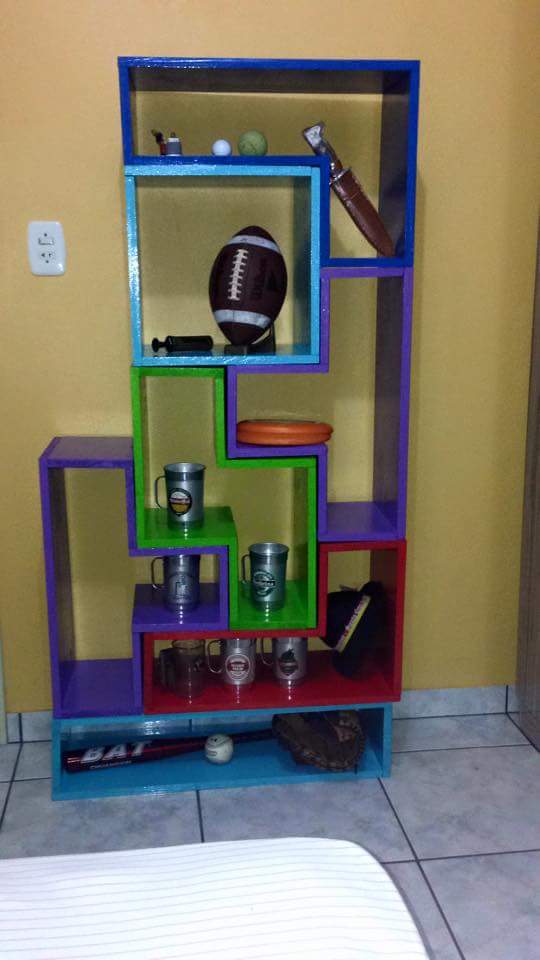
Apply traditional techniques to build modern shelving and storage units.
Read Guide →
Outdoor Projects
Build garden structures using time-tested Czech outdoor woodworking methods.
Read Guide →