
By Petra Novakova | Updated January 25, 2025
The Czech Republic enjoys four distinct seasons, which means outdoor wooden structures need to be built to last. With average winter temperatures dropping well below zero and humid summers, choosing the right wood and protection is essential. This guide covers the most popular garden woodworking projects and the specific techniques needed for Czech climate conditions.

Best Wood Species for Outdoor Use in Czechia
Not all wood performs equally outdoors. Here are the species that Czech woodworkers trust for garden projects:
- Larch (Modrin): The gold standard for outdoor wood in the Czech Republic. Naturally resistant to rot and insects, larch weathers to a beautiful silver-grey patina without any treatment. Available at most Czech timber yards.
- Douglas Fir (Douglaska): Increasingly popular for decking and pergolas. Strong and dimensionally stable, with good natural durability. Slightly more expensive than larch but offers excellent value.
- Thermally Modified Pine: Regular pine treated with heat to remove moisture and increase durability. Sold under brand names like ThermoWood at stores like Hornbach. Excellent for decking and raised beds.
- Pressure-Treated Spruce: The most budget-friendly outdoor option. Impregnated with preservatives (typically marked with a green or brown tint), it resists ground contact and moisture. Ideal for structural posts and subframes.
Czech Climate Consideration
The Czech Republic sits in a continental climate zone with temperature swings from minus 15 degrees Celsius in winter to plus 35 in summer. This 50-degree range causes significant wood expansion and contraction. Always leave 5 to 8mm gaps between decking boards and use stainless steel screws that will not corrode during freeze-thaw cycles.
Project 1: Garden Pergola
A pergola creates a shaded outdoor living area and adds architectural character to any Czech garden. Whether you want a freestanding structure over your patio or a wall-mounted version extending from your house, the construction principles are the same.

Planning and Permits
In the Czech Republic, structures under 25 square meters and 5 meters tall generally do not require a building permit, but you must notify the local building authority (stavebni urad). Check with your local municipality office, especially if you live in a conservation area or housing development with specific rules.
Dimensions and Layout
A comfortable pergola for a family of four should be at least 3 by 4 meters. Use 12 by 12cm or 14 by 14cm posts set in concrete foundations that extend at least 80cm below ground level. In Czech frost conditions, the foundation depth should ideally reach the frost line, which is typically 80 to 100cm in Bohemia and Moravia.
Construction Steps
1Mark out the pergola footprint using string lines and stakes. Check diagonals to ensure perfect square alignment. In sloped Czech gardens, you may need to adjust post heights to create a level roof plane.
2Dig post holes to a depth of 80 to 100cm. Pour a 15cm gravel base for drainage, then fill with concrete mix around the posts. Use adjustable post anchors if you prefer to keep the wood above ground level and avoid direct ground contact.
3Install the main beams across the tops of the posts. Use 6 by 16cm or 8 by 16cm beams depending on span. Secure with galvanized post-to-beam connectors or traditional notched joints for a classic look.
4Add cross rafters at 40 to 60cm intervals. These can extend 30cm beyond the beams for a decorative overhang. Cut the rafter tails at an angle or curve for a professional finish.
5Apply an outdoor wood stain or oil. Products like Remmers or Bondex, widely available in Czech stores, offer UV protection and moisture resistance. Reapply every two to three years for lasting protection.
Project 2: Rustic Garden Bench
A simple garden bench is perhaps the most satisfying beginner outdoor project. With just a few boards and some basic joinery, you can create a comfortable seating spot that will serve your family for years.
Simple Bench Design
The most straightforward design uses three pieces: two leg assemblies and a seat plank. Cut the legs from 5 by 10cm lumber at a slight outward angle of about 5 degrees for stability. The seat consists of two or three planks of 3 by 15cm boards, each about 120cm long.
For a more rustic appearance, consider using half-logs or natural-edge boards. These are often available cheaply from local timber mills (pily) throughout Bohemia. The natural bark edge creates a charming cottage-garden aesthetic that pairs beautifully with Czech country homes.
Project 3: Raised Garden Beds
Raised beds improve drainage, reduce weeding, and extend the growing season in the Czech Republic by warming soil faster in spring. They are incredibly practical in the heavy clay soils common across central Bohemia.
Use pressure-treated or larch boards in 3 to 4cm thickness, cut to your preferred dimensions. A standard raised bed of 120 by 240cm and 40cm height is easy to reach from both sides without stepping on the soil. Line the inside with landscaping fabric to prevent soil from pushing through gaps, and add drainage holes at the bottom corners.
Raised beds are especially valuable in the Czech Republic, where many cottage gardens (zahradky) have poor soil conditions. Building up with quality compost and topsoil in a wooden frame gives you perfect growing medium from day one.
Weather Protection for Outdoor Wood
Protecting outdoor wood in Czech conditions requires a multi-layered approach:
- Construction design: Slope all horizontal surfaces slightly so water runs off. Avoid creating flat spots where water can pool and soak into end grain.
- Hardware selection: Use only stainless steel (A2 or A4) or hot-dip galvanized fasteners. Standard zinc-plated screws will corrode within one to two Czech winters.
- Surface treatment: Apply a UV-protective outdoor oil or stain annually. Remmers and Osmo are trusted brands available through Czech suppliers like Bauhaus and specialized paint shops.
- Ground contact: Always separate wood from direct ground contact using metal post anchors, concrete pads, or gravel beds. This is the single most important factor in extending the life of outdoor structures.
Related Guides
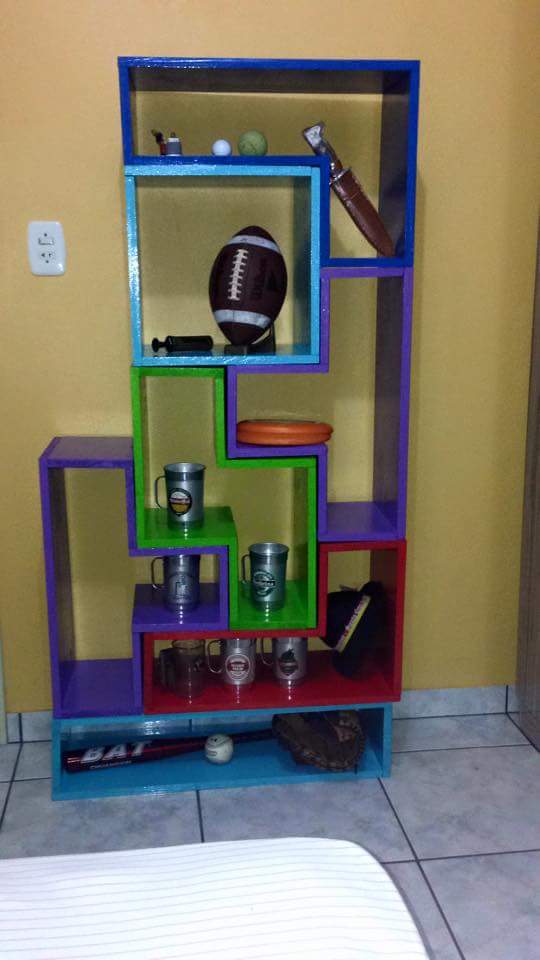
Shelves & Storage
Build practical indoor storage from wood with our detailed step-by-step guides.
Read Guide →
Czech Woodworking Traditions
Discover the heritage techniques behind Czech timber construction and apply them today.
Read Guide →